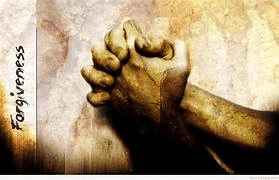
Week 7: Forgiveness- The offence that changed you
The bit where I introduce:
As mentioned, we are going to tackle this challenging topic, strap yourselves in.
Unless you have been living under a rock, there will ultimately be a time in your life that has required you to forgive someone who did something that hurt you. The definition according to Wikipedia- which I liked more than the dictionary was:
“Forgiveness, in a psychological sense, is the intentional and voluntary process by which one who has felt wronged, harmed, or hurt changes their feelings and attitude towards the offender, and overcomes the impact of the offense, including negative emotions such as resentment or desire for vengeance.”
In a secular world, it’s a term that is foreign in act, but encouraged in the thinking.
Even in Christian circles, it’s a term that’s widely encouraged and countless sermons and podcasts are out there for your consumption. So why is it important and why is so hard to do?
I think to date the most powerful and practical example for me of this is the Abdallah family- Danny and Leila who publicly forgave (whole other level) Samuel Davidson who was drunk and behind the wheel killed their children and niece in 2020. Consequently, there is now a day dedicated to the concept called Forgiveness Day and foundation set up I4GiveFoundation (if forgiveness is something you have struggled with, have a look at this site)
The bit where I refer to the bible: and ask a few rhetorical questions:
Many are the examples of forgiveness in the bible, have a read of some. But the one we are going to focus on is Joseph in Genesis.
Genesis 50:20 (read the story of Joseph in Genesis) says : “You intended to harm me, but God intended it for good…”
Joseph was speaking to his brothers who in true sibling fashion did some not so great stuff to him because of jealousy. After everything they did, it portrays the idea that the offence didn’t hurt him, it in fact shaped him! What the?
Now granted we don’t all have the graciousness of Joseph nor the outcome. (Royalty title and ruler of a kingdom) How does one turn an act of hurt into something that doesn’t harm but shape? The hurt penetrates deep and it stains our hearts and minds like beetroot on white pants! Regardless of his story way back when, it’s Joseph’s heart we are to learn from. Instead of vengeance, his brothers’ actions became the pathway to maturity, leadership and deeper trust in God. What we aim for right?
Easier said than done for those of us that live in the real world. Our hurt can reinforce in us the justification that they were in the wrong and need to pay for what they’ve done. Verse 20 even sounds beautiful, and no doubt you’ve heard it quoted to you or someone else, but in real life when we are wronged it feels disorienting, unjust and deeply personal.
I think some key points are packed into this short verse.
“You intended to harm me.” Joseph didn’t pretend it was fine, he acknowledged the intent, called them out in fact. If forgiveness is something you struggle with, I encourage you to consider the following: What that might look like for us is calling the act for what it is, admitting it hurt and grieving what was lost (trust, innocence, reputation, opportunity)
The other part and I think the most effective concept for forgiveness and healing is:
To separate human intent from God’s sovereignty. There’s a distinction
“You intended harm”
“God intended it for good…”
Again, in practice this might look like not excusing the offender, not assuming God caused the evil and believing God can redeem (compensate for the faults or bad aspects of) what God did not create. This is I think pertinent in organisational religion, we need to separate God from the act/sin/church.
Offence doesn’t automatically change us for good, it’s a process, sometimes it can take a lifetime, it can, let’s be honest harden our hearts and us. Joseph’s example shows us that it’s possible and it wasn’t passive, the difference was he surrendered it. He refused to waste it.
Joseph’s declaration in verse 20 holds both truths together: his brother’s intentions were genuinely evil, and they remain morally responsible; yet God’s intention was redemptive, working through not causing their wrongdoing to preserve his life. Forgiveness, then if we choose to, does not excuse sin by attributing it to God, nor does it deny justice. Instead, it entrusts ultimate judgment and meaning to Jesus who alone can bring good from evil. In this way, forgiveness becomes an act of faith: we release vengeance because we want to trust that God’s purposes are holy even when human hearts are not, including ours right? Important point as I think as humans we naturally want the justice part, sometimes over trusting God’s purposes for what happened.
A harsh truth I know but as I said it’s a process… be gracious to you and know God intimately understands your heart, their heart and is the ultimate judge.
The bit where you get to think about stuff: Questions for the week.
What harm do I honestly need to name?
How has this experience shaped me for better or for worse?
What would it look like to begin to release the offence without excusing it? Is there a step I can take this week towards forgiveness? Do I want to?
 Unfinished Faith: Relearning God.
Leave a comment